

ISM 2026 – 2027 Soft Matter Graduate Fellowship Recipients
Posted in ISM Stories News Story
The Institute for Soft Matter Synthesis and Metrology (ISM) is pleased to announce the recipients of the 2026–2027 Soft Matter Graduate Fellowship: Elena Marchetti and Luke Shafik.
The Soft Matter Graduate Fellowship supports outstanding graduate students whose research advances the understanding of soft matter through innovative, interdisciplinary approaches. This year’s fellows exemplify the breadth and impact of soft matter research, applying fundamental scientific principles to challenges in human health, medicine, and materials science.
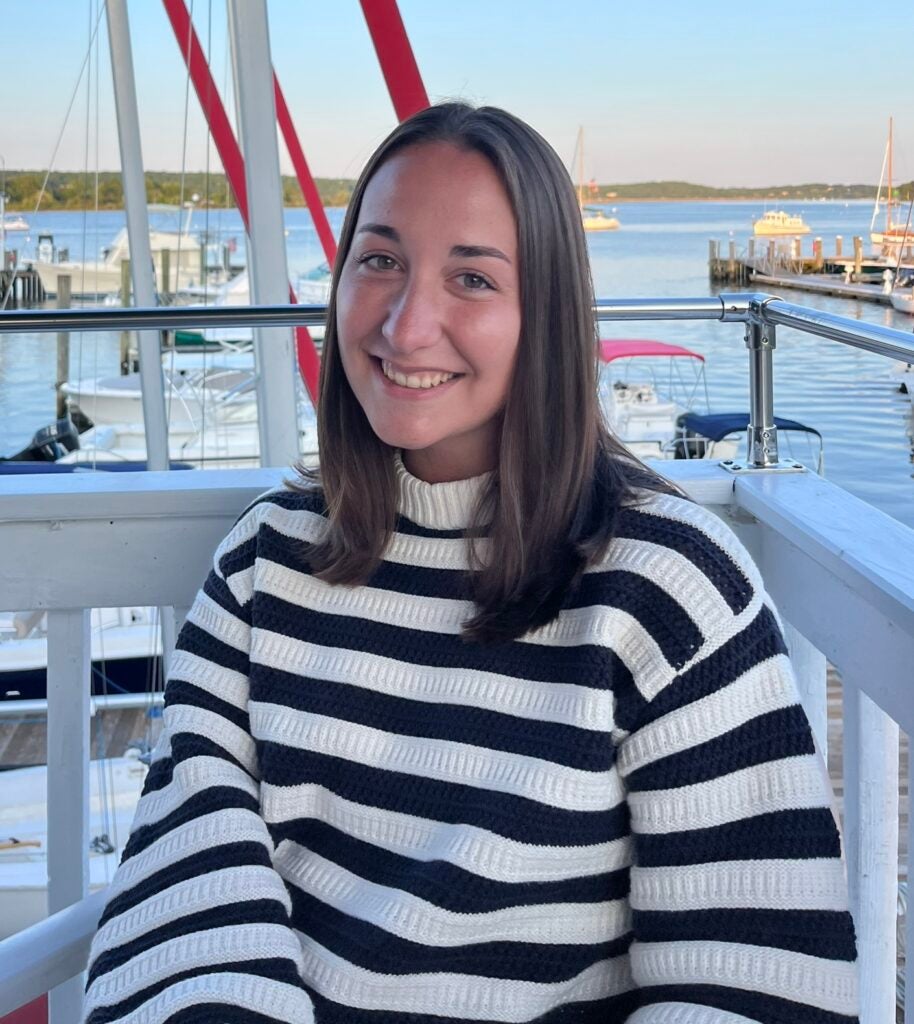
Elena Marchetti – Controlling Crystal Forms: from the Lab Bench to the Clinic
Working in the Swift Group, Elena Marchetti investigates how the structure and transformation of crystalline materials influence their physical properties and performance.
Different crystal forms can exhibit dramatically different thermal, mechanical, and solubility characteristics, making crystal control a critical challenge across industries including pharmaceuticals, electronics, agriculture, and medicine.
Marchetti’s research focuses on understanding how processing conditions affect the mechanical behavior and moisture sorption properties of cytosine crystals, which can transition between hydrated and anhydrous forms. By employing rational doping strategies, she has demonstrated how subtle modifications at the molecular level can tune material properties.
Looking ahead, Marchetti plans to extend these approaches to active pharmaceutical ingredients, with the goal of improving drug performance and stability. She is also developing new methods to dissolve struvite, a crystalline material associated with kidney stone formation in humans and companion animals, as well as scale buildup in wastewater treatment systems.
By uncovering the molecular mechanisms that govern crystal transformations, Marchetti’s work bridges fundamental soft matter science with real-world applications that could improve patient outcomes and industrial processes.
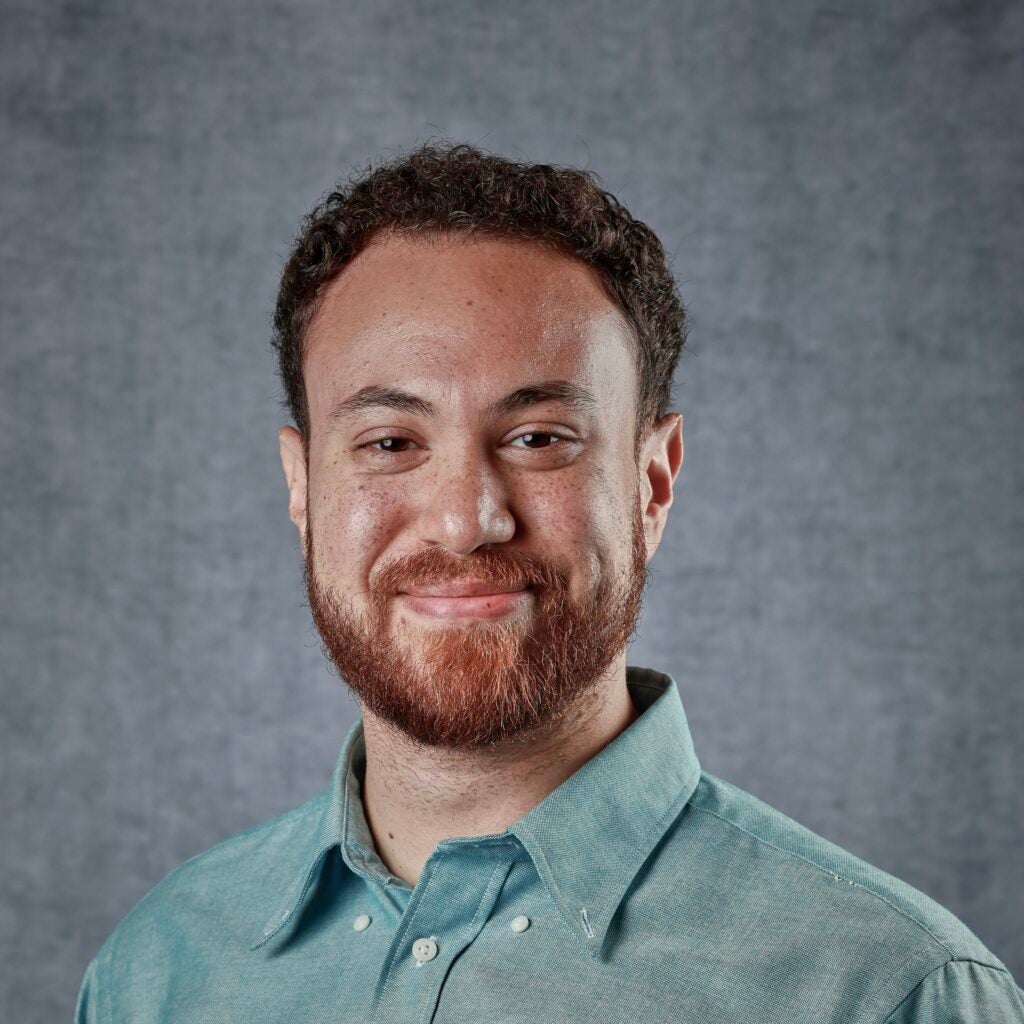
Luke Shafik – Illuminating Cellular Defenses Against Infection
Luke Shafik’s research explores how cells respond to bacterial infection through the dynamic regulation of the PML gene, which encodes the promyelocytic leukemia protein.
PML is responsible for organizing PML nuclear bodies, specialized membraneless structures involved in essential cellular processes including programmed cell death, cell-cycle regulation, and antiviral defense. Recent findings suggest that PML also plays a critical role in defending against Listeria monocytogenes, the bacterium responsible for listeriosis.
Shafik investigates how alternative splicing of the PML gene enables cells to rapidly adapt to infection. His work has identified a significant increase in the expression of a specific PML variant, known as PML-VIb, during the earliest stages of Listeria infection.
Unlike other PML isoforms, PML-VIb lacks a nuclear localization signal, suggesting it may function outside the cell nucleus to help combat bacterial invasion. Shafik aims to understand how this isoform contributes to the body’s antibacterial defenses and how its expression changes over the course of infection.
To answer these questions, he is developing an innovative live-cell imaging platform using Riboglow-FLIM technology to visualize alternative splicing events in real time. This approach will allow researchers to track specific PML isoforms as they emerge, move within the cell, and respond to bacterial infection.
Shafik’s work has the potential to reveal new insights into cellular organization, immune defense mechanisms, and the role of alternative splicing in human health and disease.
Supporting the Next Generation of Soft Matter Researchers
The Soft Matter Graduate Fellowship program reflects the institute’s commitment to supporting emerging scholars whose research addresses complex scientific challenges through interdisciplinary collaboration.
Through their groundbreaking work, Elena Marchetti and Luke Shafik are advancing our understanding of how molecular interactions shape material properties and cellular behavior.
Congratulations to Elena and Luke!